

Many players come across slots as fixed paylines, but Chicken Road employs a different engine. I put together this guide to demonstrate how all-ways mechanics operate, why they change the way you view a winning screen, and how Chicken Road turns that structure into a farm-road slot with bonus pace. By the end, you will understand exactly what to verify before you bet.
Return to Player, Volatility, and Fund Management
Understanding the RTP
RTP is return to player and is given as a percentage. It represents a long-run theoretical figure, not a promise for your session. For Chicken Road, the value is displayed in the game’s info page or official help file. Many all-ways slots are in the 95 to 96.5 percent range, though some versions differ. I always verify the exact value because a small difference counts over thousands of spins.
How Volatility Plays Out
Volatility indicates how wins are distributed. Low volatility usually provides small frequent hits; high volatility gives longer dry spells but larger spikes. Chicken Road’s all-ways setup can feel lively because several small combinations might hit in one spin, but the headline potential is found in the bonus. I plan my session so I can endure the quieter base-game stretches while waiting for that bonus.
A useful habit involves to note how many dead spins you can afford. If a game delivers bursts, you must have more patience than with a fixed-line low-volatility title. I establish a stop-loss and a win target before opening Chicken Road, because the all-ways engine can move from quiet to busy quickly.
Stake Range, Maximum Win, and Effective Wagering
Picking a Wager
Chicken Road features a coin or total-stake selector, and I commence with the smallest bet that still enables all features unless I am familiar with the game well. Some slots demand a slightly higher stake to activate certain jackpots or bonus tiers; the paytable states so. I do not assume a higher stake boosts the RTP. It generally only changes the winnings and the losses proportionally.
Understanding the Max Win
The max win in an all-ways slot is commonly listed as a multiple of your total bet, not a fixed cash figure. I seek that number in Chicken Road’s rules because it indicates the practical ceiling. A game with a 5,000x cap can still produce small or medium hits far more often than the top payout, so I treat the cap as a ceiling and not an expected result.
One mistake beginners commit is raising the bet after every quiet spin. In an all-ways game, the random reel order doesn’t promise you a win just because the last ten spins missed. I keep my stake steady and only boost it if my session bankroll has grown and the chosen level still fits my limits.
How to Begin Playing Chicken Road
I always load Chicken Road and open the paytable at the start. That screen displays the symbol values, scatter trigger, grid size, RTP, and feature rules. Devoting two minutes there eliminates the most common beginner error: spinning without knowing what a winning cluster looks like. It also informs me whether the game uses a total bet or coin bet display.
Next I choose a total bet that I can sustain for at least a hundred spins. In all-ways play, the win frequency can be okay, but the base game can still feel inconsistent. I consider my first twenty or thirty spins as a reading period: I observe how often wilds land, how many near-free-spins appear, and whether the game is cycling through smaller hits or holding for a feature.

When the free spins start, I slow down and track the multiplier logic. That is where Chicken Road tends to reveal its bigger payouts, especially if extra rows or wilds are present. After the feature ends, I match the result with my session target. If I have reached a clear takeaway, I either reduce the stake or end the session rather than paying the gain back.
All-ways pay changes how you view every spin, and Chicken Road is a good place to practice because its theme and bonus pace make the mechanic easy to follow. Kick off with the paytable, verify the grid and scatter rule, hold your stake steady, and consider free spins as the event to focus on. That approach will make you a sharper all-ways player, not just someone pressing spin.
Extra Features and Their Activation
Free Spins Without a Line Map
Complimentary spins in Chicken Road let the all-ways engine function without lowering your balance on each spin. When the scatter appears in the right number, the game transitions to the bonus mode. The similar adjacent-reel rule still holds, but the feature commonly adds an improvement: more rows, a more extensive symbol set, or a persistent wild. I use free spins as the key opportunity to observe the all-ways engine stretch its legs.
Multiplier Symbols and Special Symbols
Multiplier icons inside the bonus are the place where the greatest changes often happen. A feature may add a increasing multiplier for each victory, or a unique icon might multiply one spin’s result. In Chicken Road, I pay attention to the way the bonus acts on the opening two spins; that tells me if the feature is focused on volume or one big payout. Continuously review the bonus rule before triggering it.
Some all-ways slots enable a retrigger if more scatters land during free spins. If Chicken Road provides that, it is often the ideal outcome because retriggers prolong the feature without extra cost. I avoid chasing a retrigger as a strategy, but I regard it as a bonus checkpoint that may change a modest session into a strong one.
What “All Ways Pays” Really Signifies
Moving from Fixed Paylines to Adjacent Reels
A typical slot asks you to match symbols on a specific line, such as line one or line nine. In an all-ways game like Chicken Road, the engine discards that line map. A win occurs when matching symbols show up on adjacent reels starting from the leftmost reel, no matter which row they fill. This single rule opens far more combinations on every spin.
That means your eye needs to move horizontally rather than following a drawn line. A chicken on row one of reel one, row three of reel two, and row two of reel three still qualifies as a three-of-a-kind. This freedom feels natural in Chicken Road, where the action travels across the grid like something crossing a road rather than sitting on a static line.
How Win Ways Are Counted
The number of ways is easy to determine if you are aware of the row count per reel. A standard five-reel, three-row board gives three times three times three times three times three, or 243 win ways. Chicken Road may employ a different grid size in a feature, so I always check the paytable and verify the reel layout before evaluating how wide the win net really is.
Symbols, Wild symbols, and Scatter symbols in Chicken Road slot
The paytable in Chicken Road game is where I start because it reveals the exact symbol purposes. Regular symbols award for adjacent hits, while a wild stands in for ordinary icons to fill or extend a win. Because all-ways mechanics rely on adjacent slots, a wild on reel two or three can link symbols that would otherwise be separated.
Scatters work separately from the all-ways setup. They typically do not need to land on adjacent reels or start from the left; they simply need to be present in the required amount. In Chicken Road game, the scatter is commonly tied to the bonus trigger, so I watch for it even when the leftmost reel presents nothing valuable. That is a key difference many beginners miss.
Some symbols may also carry multipliers, especially inside a special round or on special bonus symbols. I always review the paytable notes to see whether a multiplier applies to the total bet or only to the win from that round. In all-ways titles, a small multiplier can become meaningful because several ways can trigger at once.
In what manner Chicken Road Creates Its All-Ways Grid
The Road-Crossing Idea on the Reels
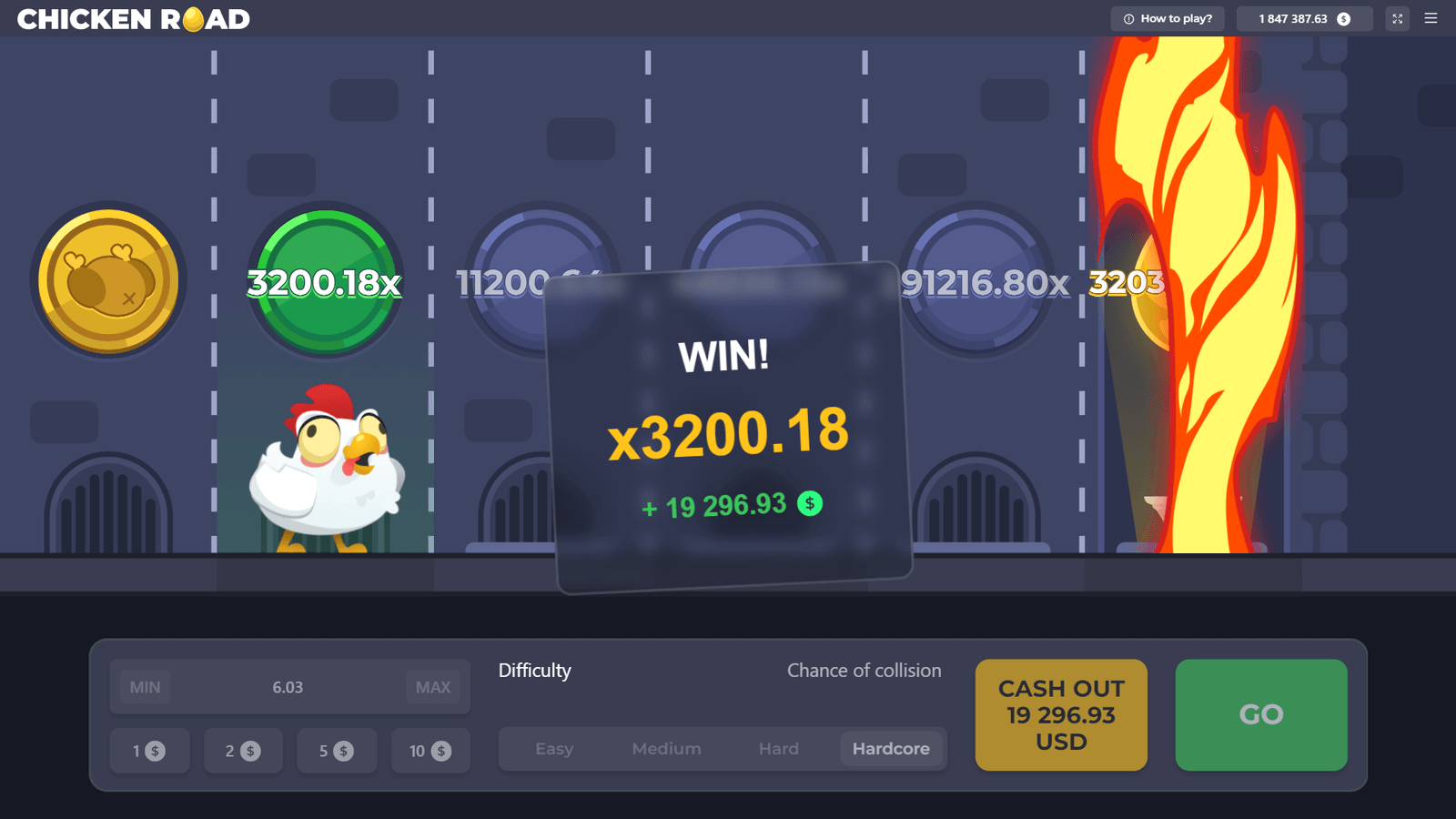
Chicken Road employs its title as more than ornamentation. The symbols and background embrace a farm-road journey: chickens, feed, and roadside details form a story that provides the all-ways mechanic a sense of forward motion. That theme counts because it helps you understand wins left to right, matching the way the game asks you to follow the chicken across the reels.
Comprehending the Grid Size
Before I put a bet, I review the grid shape in the game rules. Many all-ways slots use a five-reel, three-row base, and Chicken Road is designed around this compact screen. Some features may include an extra row or alter reel sizes, which increases the win ways dramatically. The key is not learning a line map, but realizing that more rows mean more potential paths.
Because wins start on the leftmost reel, I zero in on landing useful symbols early. A wild or a high-value chicken on reel one unlocks several adjacent combinations. In all-ways play, that first reel serves like a key; without a match there, the rest of the row position rarely matters.